
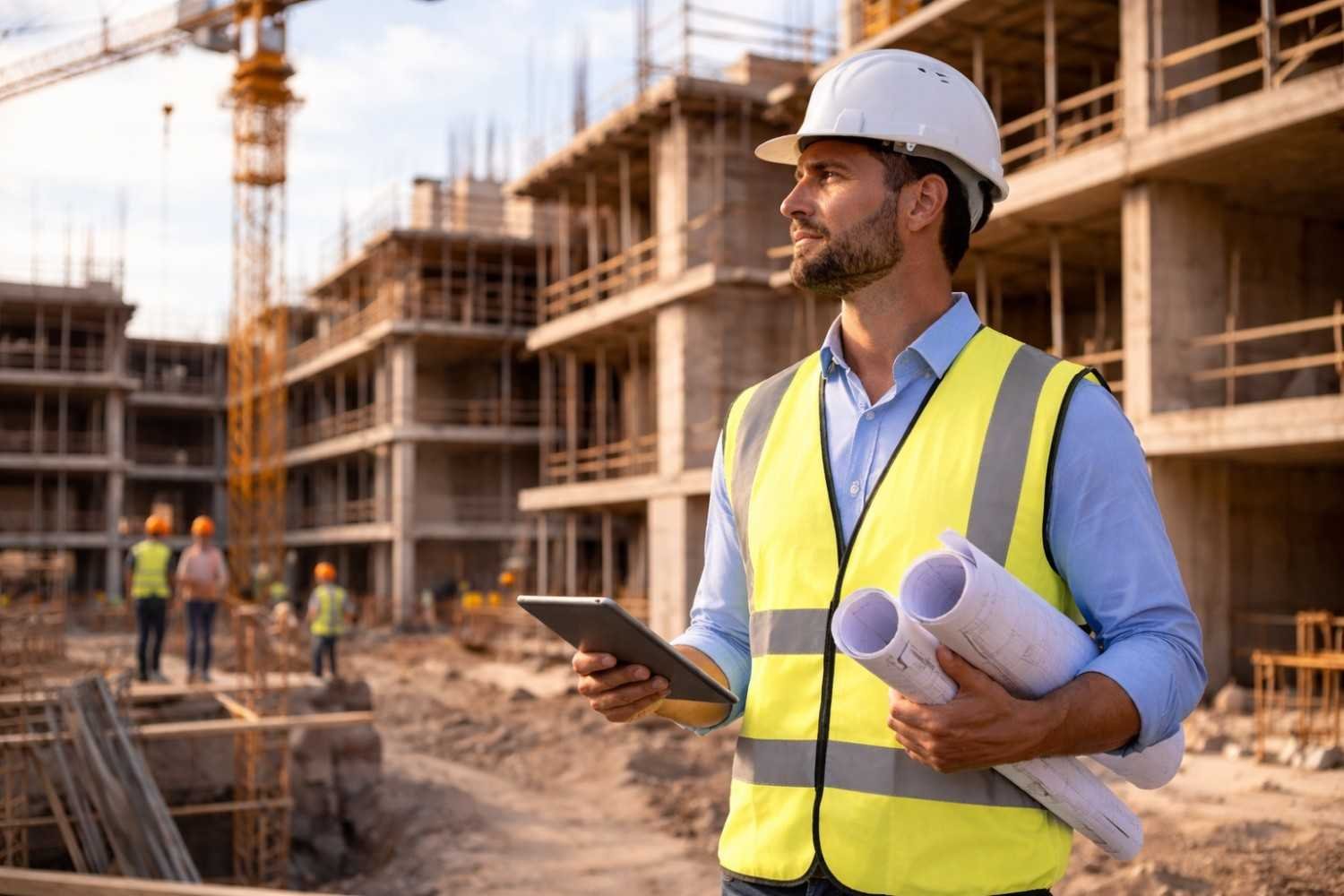
From my experience working around building teams and planning discussions, the success of any construction project usually begins with a calculated and precise approach. When teams organize the work into carefully-measured phases, the entire implementation becomes more controlled and easier to manage. This method encourages appropriate decisions, better arrangements, and ensures every task is made with attention to quality and standards. A well-structured plan not only prevents unexpected cost overruns but also saves valuable time during execution. By helping teams maintain discipline in planning and execution, this structured strategy ultimately ensures that every step of the construction process moves forward with clarity and purpose.
1. Project conception
In my experience, before any construction project moves forward, the process often begins with an idea, because every project’s success usually starts from something simple coming up during early discussions where a particular concept is analyzed thoroughly from all possible angles. At this stage, teams and experts get input and research the idea with thoughtful consideration to determine if it is feasible, viable, and realistic before planning or design work starts.
A dedicated team is required to develop the concept into one concrete direction so the project can be moved into the next stages like draft blueprint preparation and deeper planning. During this preliminary phase, goals, scope, and the reality behind the project are carefully reviewed, because turning an idea into another workable thing requires more than imagination and ensures the construction effort has a clear starting point that guides what the teams have to build and how it will move forward.
2. Planning and design
After the initial concept takes shape, the project can enter the planning and designing stages, and once the right concept is ironed out, this phase becomes critical for any construction project because it lays the foundation for proper project implementation. In practice, this stage involves an in-depth explanation of the project, where timelines and milestones are established according to the project’s scope and goals, while planning also includes estimating, outlining, and approving the budget. From my experience working alongside site teams, this is also where designing truly comes into play, as architects provide assistance and the designing process takes consideration of the project objectives in addition to regulations, building codes, and rules specific to the region, ensuring the project moves forward with clarity and structure.
3. Preconstruction
Before the actual build begins, the preconstruction phase becomes a crucial period where the bidding process is completed and the main contractor is selected for the project. From my experience observing project setups, this stage focuses heavily on project execution planning, where a team is formed and key roles like project manager, field engineer, health and safety manager, contract administrator, and superintendent are assigned. During this phase, project materials are also selected, while formal building contracts, finance applications, land settlement applications, and building license applications are submitted to move the project forward. Many contractors now rely on technological solutions to ensure successful preconstruction, and tools like Atom™, for example, are used to proactively plan, avoid reconstruction and rebuilds, as the headset allows users to layer and delayer large models for real-time clash detection, minimizing the chance of costly delays and rework.
4. Procurement
In the procurement phase, the focus shifts toward securing what the project’s construction activities truly need, because this stage is one of the most important phases in a project lifecycle. Here, the materials decided upon earlier are ordered, purchased, and collected, ensuring all necessary resources for the work are ready before site operations move forward. From what I’ve seen on real projects, much of the coordination is usually conducted by a general contractor, who manages supply timing while the main workforce is also hired at this stage, making sure the project can progress smoothly as teams prepare for the next step of actual building activities.
5. Construction
The construction phase is where plans finally turn into action, and once the materials are prepared, teams bring blueprints closer to reality through coordinated work across the sites. In my experience visiting job locations, subcontractors often collaborate with general contractors, working according to the plan, schedule, and instructions assigned to them, making every aspect of the project move forward until it is completed.
Maintaining a seamless workflow is crucial, especially during active building, where digital tools like a platform that centralizes data can connect teams in the office and onsite, which helps information stay synced even without Wi-Fi connectivity. This approach becomes vital since many construction sites may lack stable internet, and having reliable systems used for communication can determine the final quality of the build while also making coordination easier for everyone involved.
6. Closeout
In the closeout phase, the focus shifts to confirming the project is completed correctly and ready for occupancy, something I’ve seen project managers take very seriously near the final handover. During this stage, inspectors conduct a detailed safety examination of the building to evaluate whether it meets all specifications, regulatory requirements, and agreed plans. Teams will often carry out a post-project review, going through checkboxes to tick each item in the contract and agreement, ensuring every developmental commitment is fulfilled. This process also helps prevent the possibility of legal issues, making sure the building is delivered smoothly and all expectations of the project are satisfied before final approval.
7. Post-construction
In the post-construction stage, attention moves beyond the final completion of the construction project, focusing on long-term care of the building’s structure and internal systems. From what I’ve seen on finished developments, builders usually arrange a particular time frame for revisit inspections where a team can perform maintenance checks and identify problems that may not be immediately apparent to occupants. These checks help ensure any issues with electrical, plumbing, or the overall structure are quickly addressed. If anything serious appears, a maintenance team may be sent to conduct repairs or contact relevant subcontractors, ensuring necessary fixes are handled properly and the building continues providing a safe and reliable space for the people using it.
Technology can help improve the efficiency of a project
From a practical business perspective, many teams today are looking at how technology can improve the process across different stages of a construction project’s lifecycle. As a business owner, you may find yourself asking how to optimize the workflow, save time, and reduce wasted money while managing complex phases from planning to post-construction.
In my experience, integrating cutting-edge solutions like augmented reality has become a powerful tool that can be utilized during each stage to enhance efficiency and coordination. Companies that adopt this approach often gain an edge over competitors, because smarter digital systems help teams understand designs better and keep projects moving smoothly.
Streamline each stage of your construction project with Great Views
In modern project environments, solutions like Great view reality platforms are designed to help teams manage the construction process more effectively by placing productivity and safety at the forefront. From my experience observing digital adoption in building environments, engineering grade™ augmented tools can improve how teams visualize tasks, coordinate work, and monitor progress across a project. When used properly, these systems help reduce overall costs, keep projects on time, and maintain a controlled budget while supporting smoother decision-making across the construction lifecycle.
No responses yet